What to check before booking a dune buggy in Dubai
Booking a desert drive sounds simple until the small details start to matter. A dune buggy trip is not the same as a relaxed sightseeing transfer, and the experience depends on matching the vehicle, route, timing and safety setup to the people riding. Before paying, slow down and look past the photos. A little care at the booking stage helps avoid surprises on the day.
The best way to judge any offer is to treat it like a short set of practical questions. If the answers are clear, the trip is easier to enjoy. If key details are vague, ask for clarification before committing.
Vehicle type and who will be driving
Start with the vehicle itself. A single-seater buggy suits someone who wants full control and a focused drive. A passenger buggy works better for two people who want to share the experience, though visibility, space and comfort can vary by model. Make sure the vehicle type matches the booking, especially if more than one person is going.
Driving rules deserve the same attention. Some experiences are guided, with speed and route managed by the team leading the group. Others may offer a more independent format, where the driver has more responsibility. For a first desert outing, a guided option is usually easier to judge because the pace is set and the route is familiar to the leader. If anyone in the group expects to drive, confirm whether that is allowed and what requirements apply.
Licence and age requirements should be checked before booking rather than on arrival. Rules can differ by vehicle category and by the format of the tour. A person who assumes they can drive but discovers otherwise on the day may face a disappointing change of plan. Clear answers about who may drive, who may ride and whether a licence is needed are worth getting in writing.
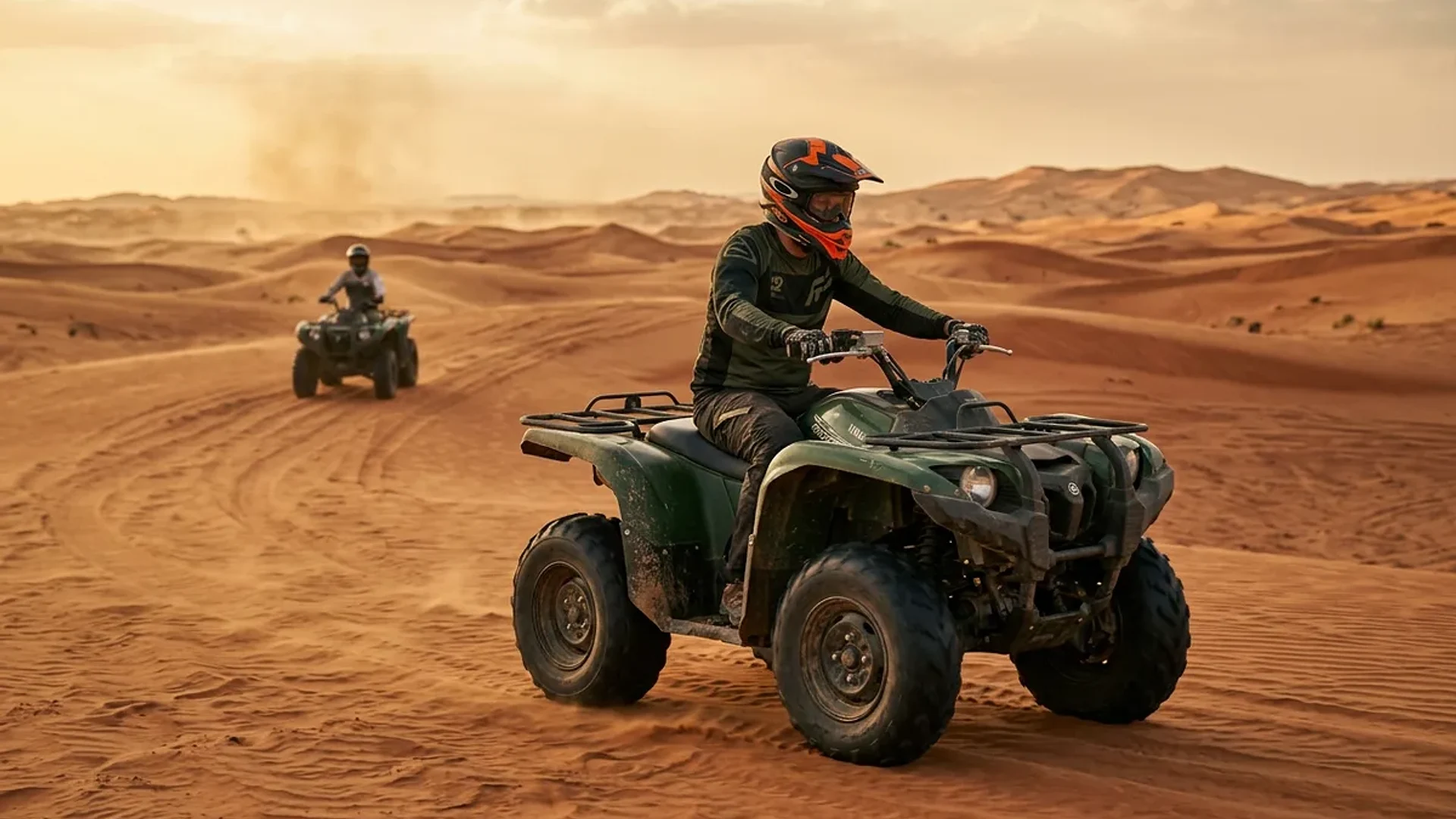
Route, terrain and length of the drive
Not all desert routes feel the same. Some are built around open sand dunes and short bursts of driving. Others include longer travel across firmer desert tracks, photo stops or a wider desert safari experience. Read the route description closely, because the word desert can cover a broad range of plans.
For many first timers, the phrase buggy dubai often brings up images of steep dunes and fast turns. That can be exciting, but it is worth asking how technical the route is. Steeper dunes and soft sand need more skill and can feel tiring, especially in warm weather. A route with a mix of easier stretches and more varied terrain may suit a mixed group better than one built only around aggressive driving.
Duration also needs context. A short drive can still feel full if it includes preparation, briefing and transport to the start point. A longer package may include pauses, meals or other activities, which changes the pace. Check what the listed time actually covers. Knowing whether it means driving time or the whole experience helps you plan the rest of the day.
Group size changes the feel of the trip. A smaller group often moves with less waiting and more room to settle in. A larger group can feel lively but may involve more pauses while everyone is briefed or regrouped. Neither option is automatically better. The right choice depends on whether the priority is quiet time, a social atmosphere or a tighter schedule.
Safety gear and vehicle condition
Safety should never be left as an afterthought. Ask what safety gear is provided and what riders are expected to wear. Helmets are a basic point to confirm, along with seat belts or harnesses where fitted. Closed-toe footwear, sensible clothing and eye protection can also make the drive more comfortable in sand and sun.
Vehicle condition matters just as much. A well maintained buggy should feel steady, with seats, belts, steering and controls in proper order. Riders should not have to guess whether a strap is working or whether a door or frame feels loose. If anything looks wrong before departure, it should be raised before the vehicle leaves the starting area. Mechanical repair is not a job for a customer, and faults are best handled by qualified staff.
The briefing is another useful sign. A clear briefing explains how to signal, when to slow down, what to do if the group stops and how to behave around other vehicles. It also sets expectations about staying on the route and following the leader. If the briefing feels rushed or unclear, ask questions. Good communication before departure is more useful than excitement alone.
Weather affects both comfort and safety. Sand can be hotter in the middle of the day, and wind can reduce visibility. Morning and late afternoon slots often feel more manageable, though availability and route plans vary. Check the timing against the season and the needs of the group, especially children or anyone sensitive to heat. Sun protection, water and sunglasses can make a real difference.

What is included and what is expected
Before booking, separate the core drive from extras. Some packages centre on laps and tours, while others may add transfers, refreshments, photography stops or desert activities. Extras can add value, but they should not distract from the basic question: what kind of drive is being offered, for how long, and under what conditions.
Read the inclusions in plain language. If transport is mentioned, check where pickup starts and where the experience ends. If food or drinks are included, check whether they suit the group. If photos are part of the plan, ask whether they are taken during the drive or at a stop. These details rarely sound dramatic, yet they shape the day far more than generic descriptions.
Cancellation and change rules also deserve attention. Travel plans can shift, and desert activities may be affected by weather or operational decisions. A clear policy explains what happens if plans change and what options are available. Avoid relying on assumptions. If a rule is not written clearly, ask before booking rather than after.
Insurance and liability wording can feel dull, but it is worth reading. Look for plain explanations of cover, exclusions and responsibilities. The aim is not to expect problems, but to understand where everyone stands. If the wording is confusing, request a simpler explanation. A trustworthy booking process should make basic terms understandable.
Questions worth asking before you pay
A short conversation can clear up most uncertainty. Use questions that produce specific answers, not just broad reassurance. The response you get can be as useful as the answer itself.
- Which buggy model or vehicle type is booked for this trip, and is it private or shared?
- Who is allowed to drive, and are licence, age or experience requirements stated?
- How long is the actual driving portion, and what does the total experience time include?
- What safety gear is provided, and what should riders bring or wear?
- What happens if weather, visibility or vehicle issues affect the schedule?
After those questions, compare offers on substance instead of appearance. The lowest headline figure may cover less driving, a larger group or fewer inclusions. A higher quality experience may be the one that explains the route, the vehicle and the rules clearly. Look for consistency across the description, the booking terms and the answers given before payment.
It also helps to match the trip to the group. A thrill focused rider may enjoy fast, technical dunes, while a family group may prefer a steadier pace with clear guidance. Someone nervous about off-road driving may feel better in a passenger buggy with a calm route. A confident driver may want more time behind the wheel. Be honest about comfort levels, because the desert feels different once the vehicle starts moving.
Final checks on the day
On the day, arrive with enough time for briefing and preparation. Rushed arrivals often mean missed explanations and a less relaxed start. Wear clothing that suits sand, sun and movement, and avoid loose items that may catch or distract. Keep water handy and listen to the safety briefing even if the route looks straightforward.
Before leaving the start point, check the basics with your own eyes. Seats should feel secure, belts should sit properly, and controls should be explained clearly. Ask about hand signals and what to do if the group stops. If something is unclear, say so then. Once the drive begins, follow the leader, stay with the group and respect the route.
A good booking decision is rarely about one flashy detail. It comes from matching the vehicle, route, timing, safety setup and terms to the people going. When those pieces line up, the drive feels far easier to enjoy, from the first briefing to the last stretch of sand.